
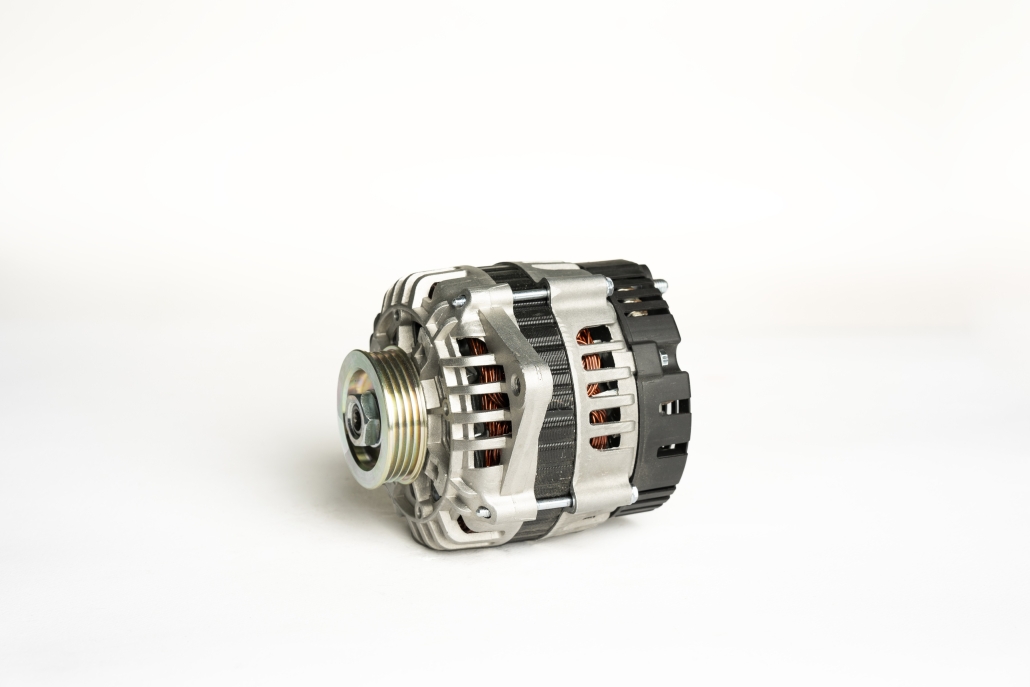
What is the cause of car alternator failure?
One of the most common electrical problems that usually occur in cars is related to alternator failure. If the alternator fails for any reason, the car will stop after a while and will not be able to continue.
One of the reasons for the failure of the alternator is related to the torn belt. The alternator is connected to the engine rotation circuit by a belt. For this reason, this part should be visited regularly so that if any tear or damage is observed, it should be replaced with a new belt immediately.
In the hot seasons of the year, the temperature of the engine usually increases and causes the secondary engine revolution in the engine. Also, leaving the car cooler on causes double pressure on the dynamo, which eventually increases the possibility of its failure. Urban traffic is another reason for alternator failure in these situations.
Internal and external causes of car alternator failure
The internal causes of alternator failure are due to the natural wear and tear of the internal parts of this device. These parts include belts, diodes, armatures, stator windings, alternators and dynamo bearings. Internal causes of alternator failure are usually caused by the passage of time and frequent use of this part. These causes cannot be prevented, but with regular service and maintenance of the alternator, they can be prevented to some extent.
External causes of alternator failure are caused by external factors such as voltage fluctuations, water or oil entering the alternator, excessive heat, impact or physical damage, and the use of improper engine oil or improper alternator belt.

Leave a Reply
Want to join the discussion?Feel free to contribute!